
Educator Training
for educators valuing depth and quality
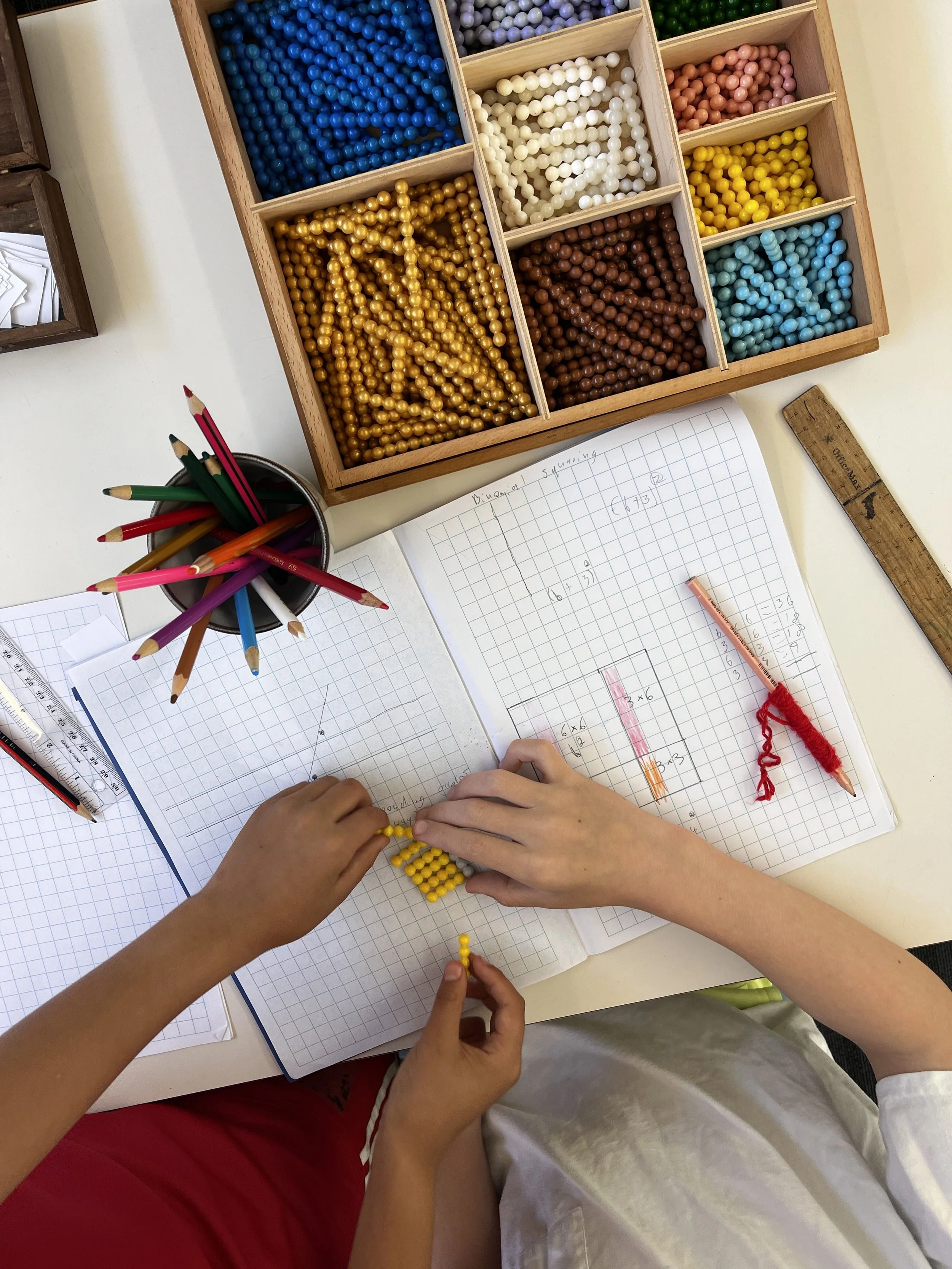
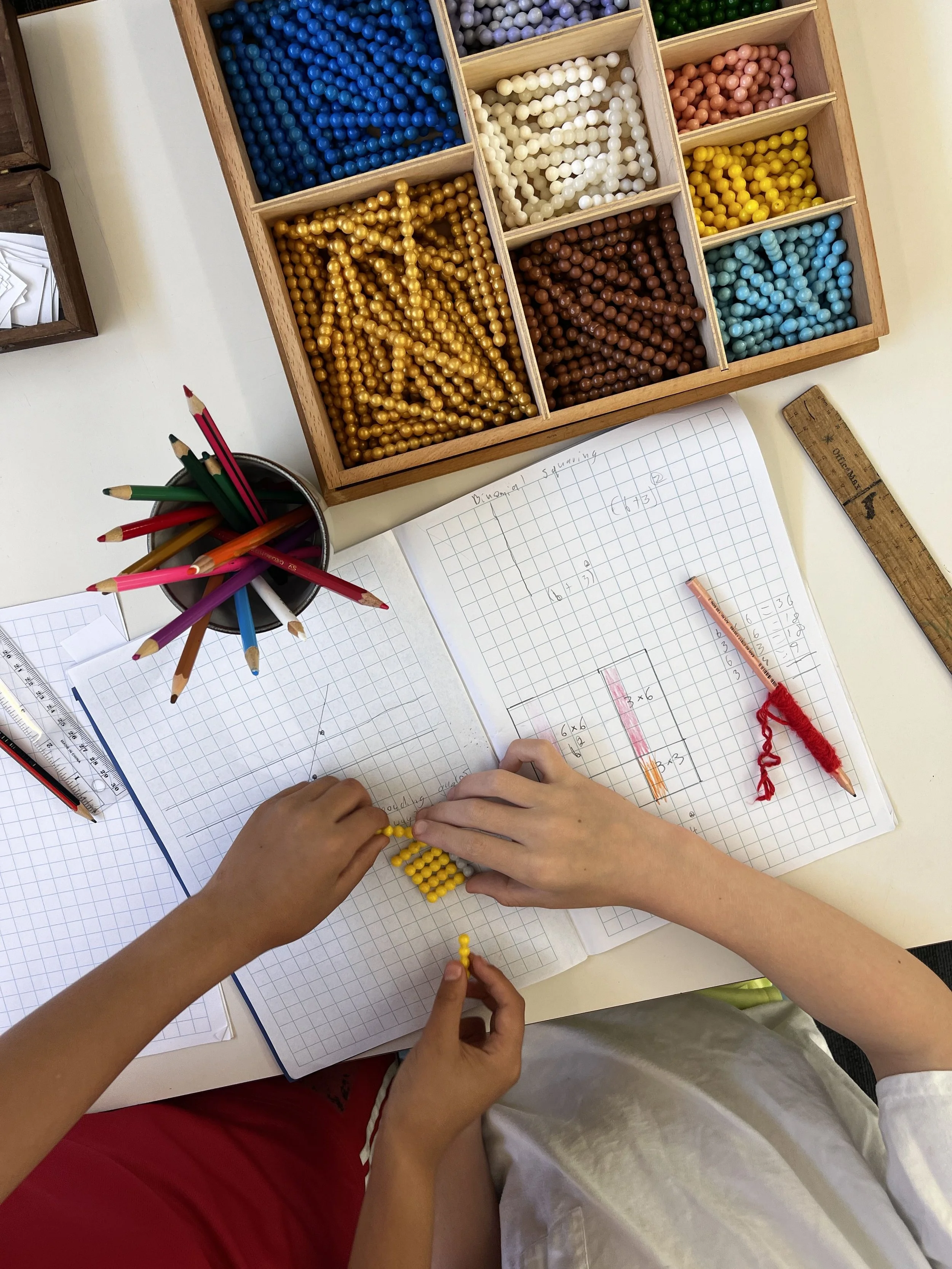
Montessori mathematics is a highy logical and carefully constructed sequence of activities primarily using concrete materials. This mathematical approach is hands-on, and based on the child's natural drive to understand quantity, pattern, and abstraction.
This training is designed for primary educators who want to deepen their pedagogy. It is designed for those who prioritise deep mathematical understanding over memorised processes. This training is applicable to both enrichment and support contexts.
You will leave with a clear understanding of the logical progression of the mathematics sequence, hands-on experience with the materials, and a knowledge of how to guide genuine conceptual understanding in a variety of learner profiles.
Format
Pre-work: 4 self-paced video modules covering philosophy and foundations, released ahead of the in-person day
In-person day: entirely practical — hands on the materials, live demonstrations, observation practice, and discussion
Q&A: A 90-minute online session held 2 weeks after the in-person day
Group size: maximum 8
Curriculum
The mathematical mind
Montessori's framework — why the materials exist and what the child's mind is doing
Foundations: 3–6 work
The sensorial and early mathematics sequence that precedes the 6–9 curriculum
Concrete to abstract
How to recognise readiness for abstraction, and how to support the transition
Place value materials
Hierarchical understanding through the golden beads, stamp game, and bead frame
The four operations
Stamp game, dot game, and large bead frame
Coloured bead bars and friends of ten
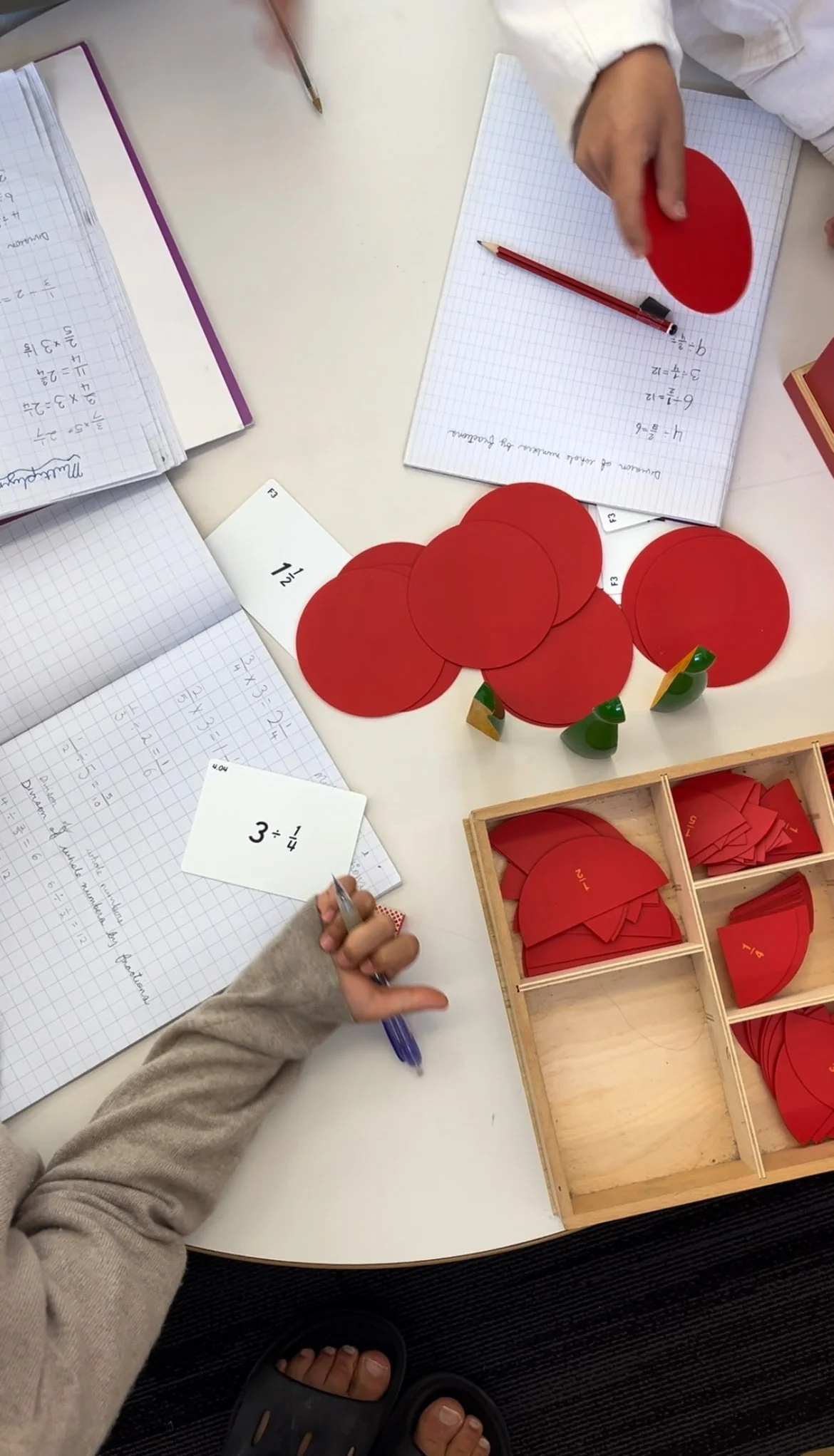
Fractions
Decimal work
Geometry introduction
Advanced explorations (my favourite!)
Pythagoras, pi, binomial and trinomial cube, area of a rectangle and triangle
Storytelling
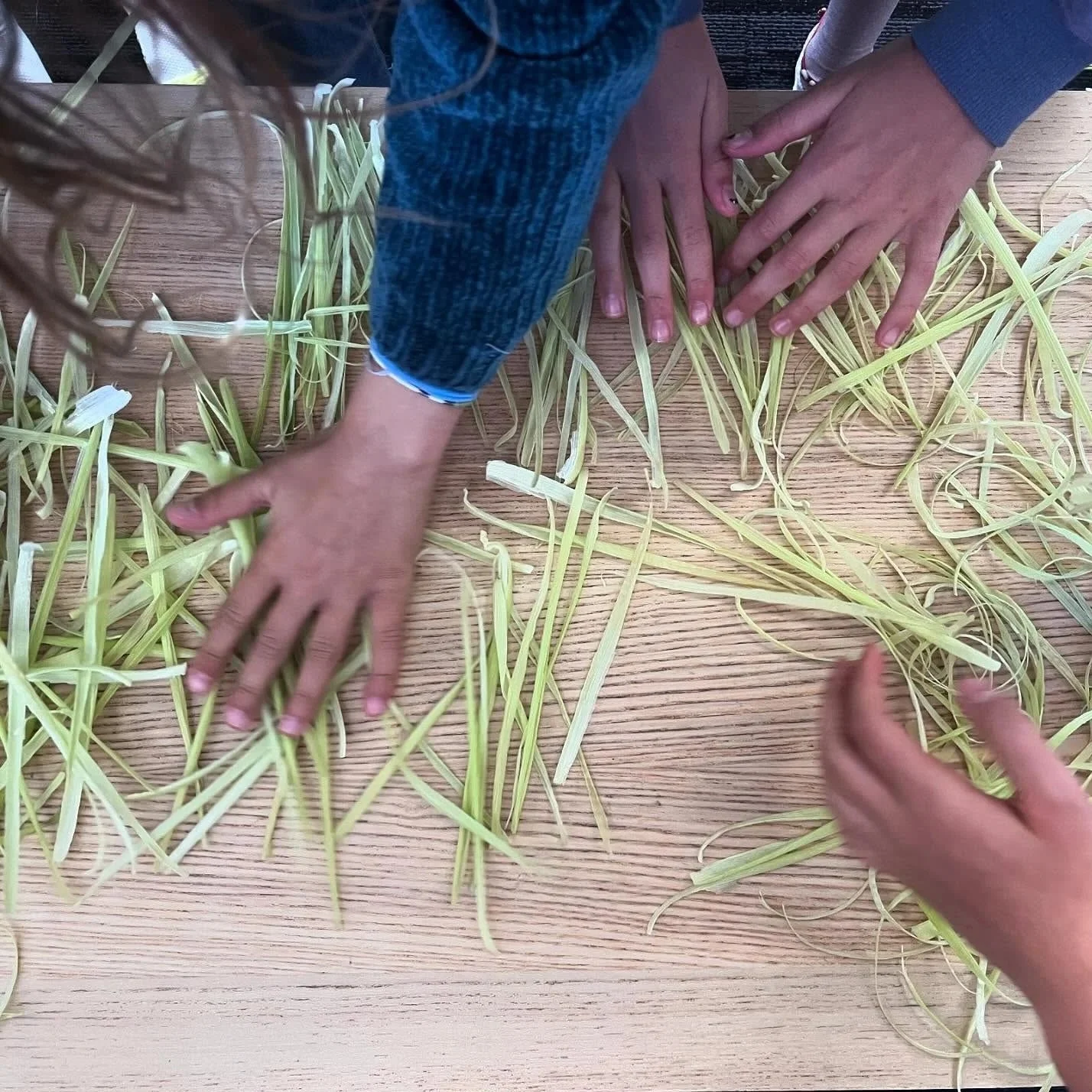
Storytelling for homeschooled children 5-10 years old. Parents are welcome to sit nearby and have a tea. Babies and toddlers welcome.

Parent gathering
A chance for home educating families to gather together for tea, meet each other and participate in a facilitated conversation related to alternative education: the small and the big picture.