A small learning community where children are seen and known, work at their own pace, and where their spirits are protected. Closely guided, integrated, classical, and balanced learning with reverence for the children’s passions and interests. I place equal focus on academics, the arts, the natural world, and building emotional skills and resilience.
I lean on the contributions of John Dewey, Maria Montessori, and many other inspiring humans.
This learning village is not a formal school setting, nor is it childcare. It sits in between these spaces, providing closely guided, integrated and balanced learning upon a strong philosophical foundation. I take as my ethical responsibility the growth of the children in knowledge, social intelligence, creativity, awareness and independence through purposeful, collaborative and creative activity in service to each other, the wider community and themselves.
Our curriculum is rich and deep and will be explored with reverence for the children’s own passions and interests. I believe in the importance of academics just as much as that of the arts, social and emotional skills, collaboration, a love of nature and problem solving.
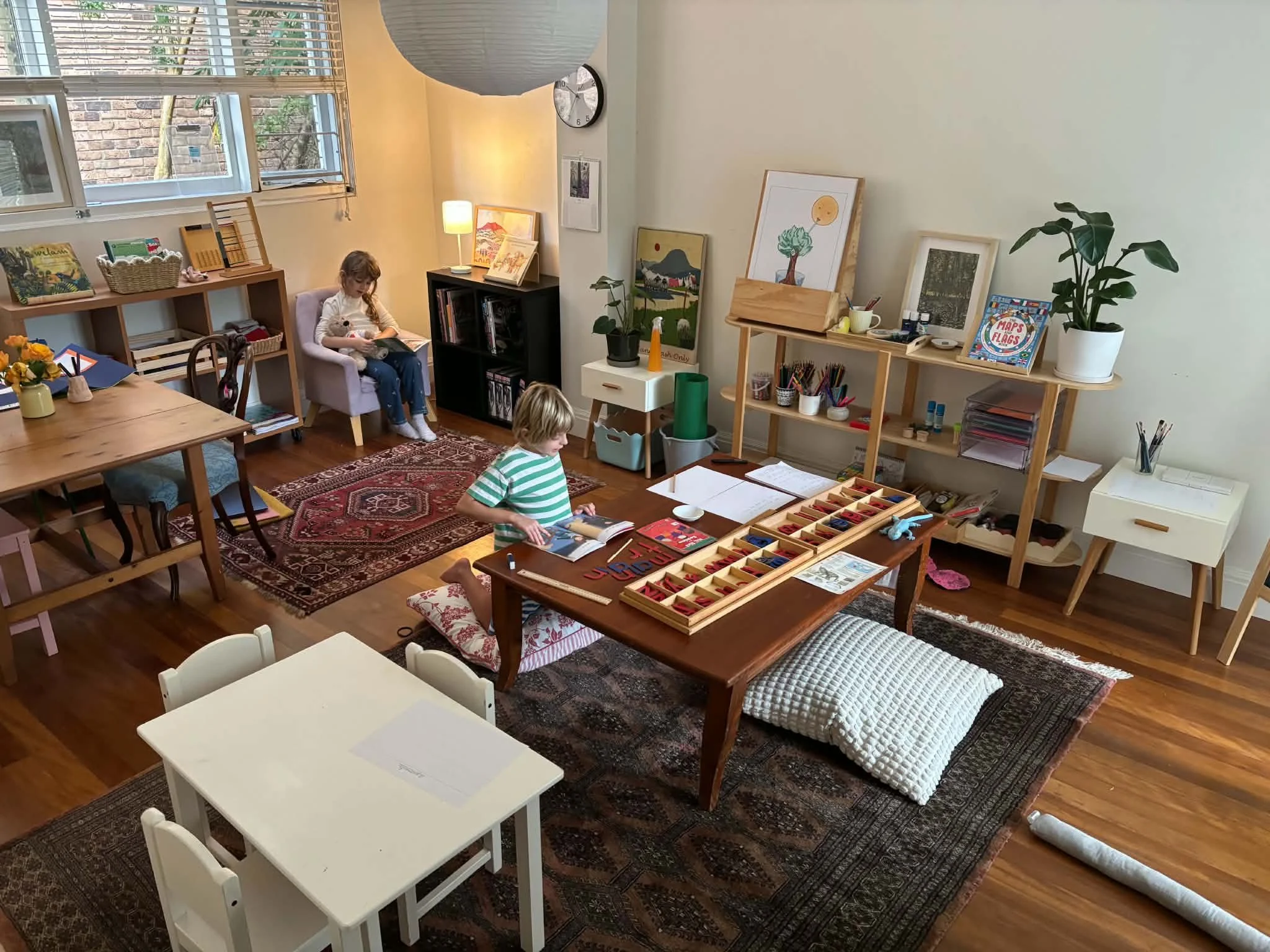
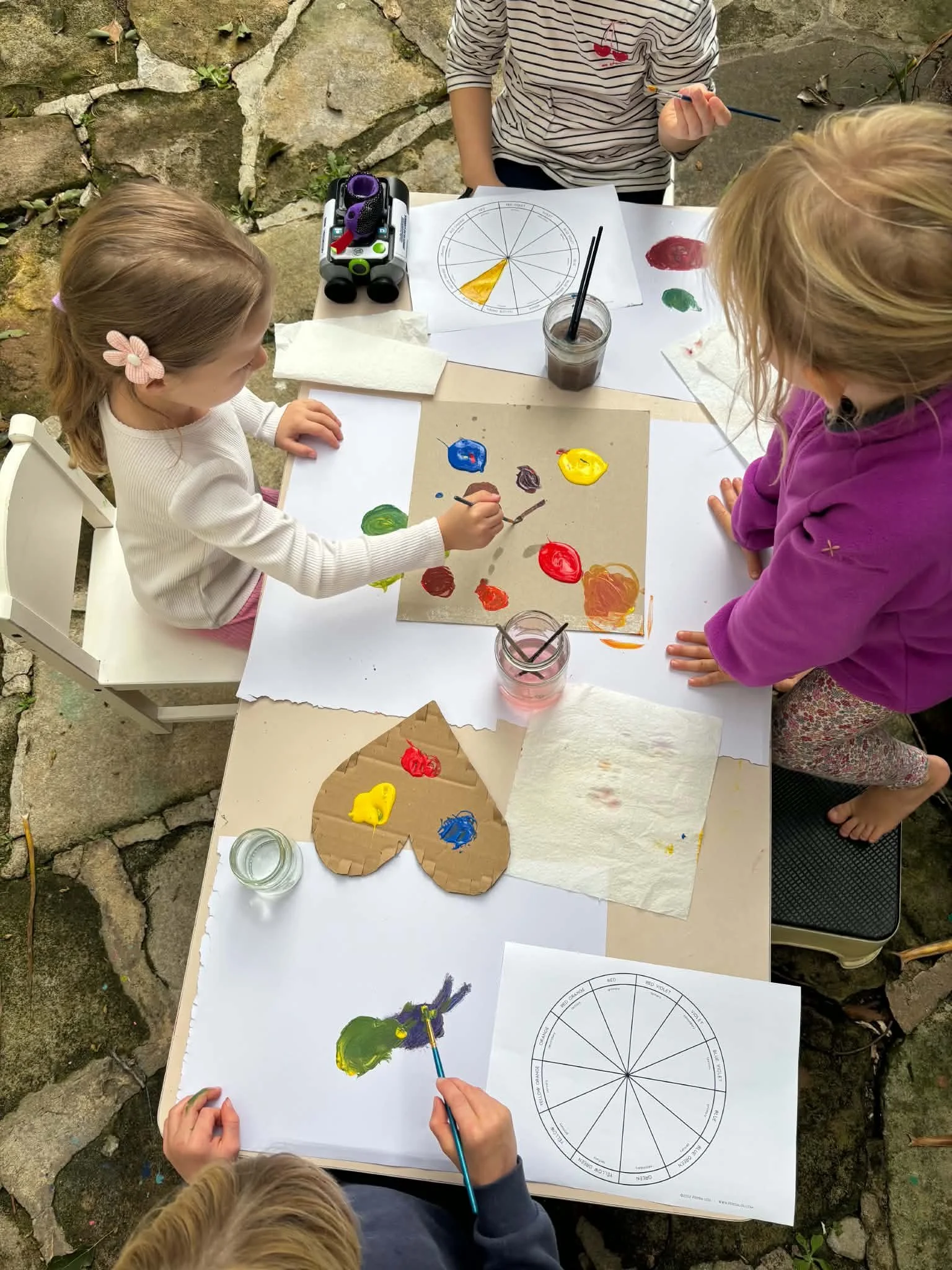
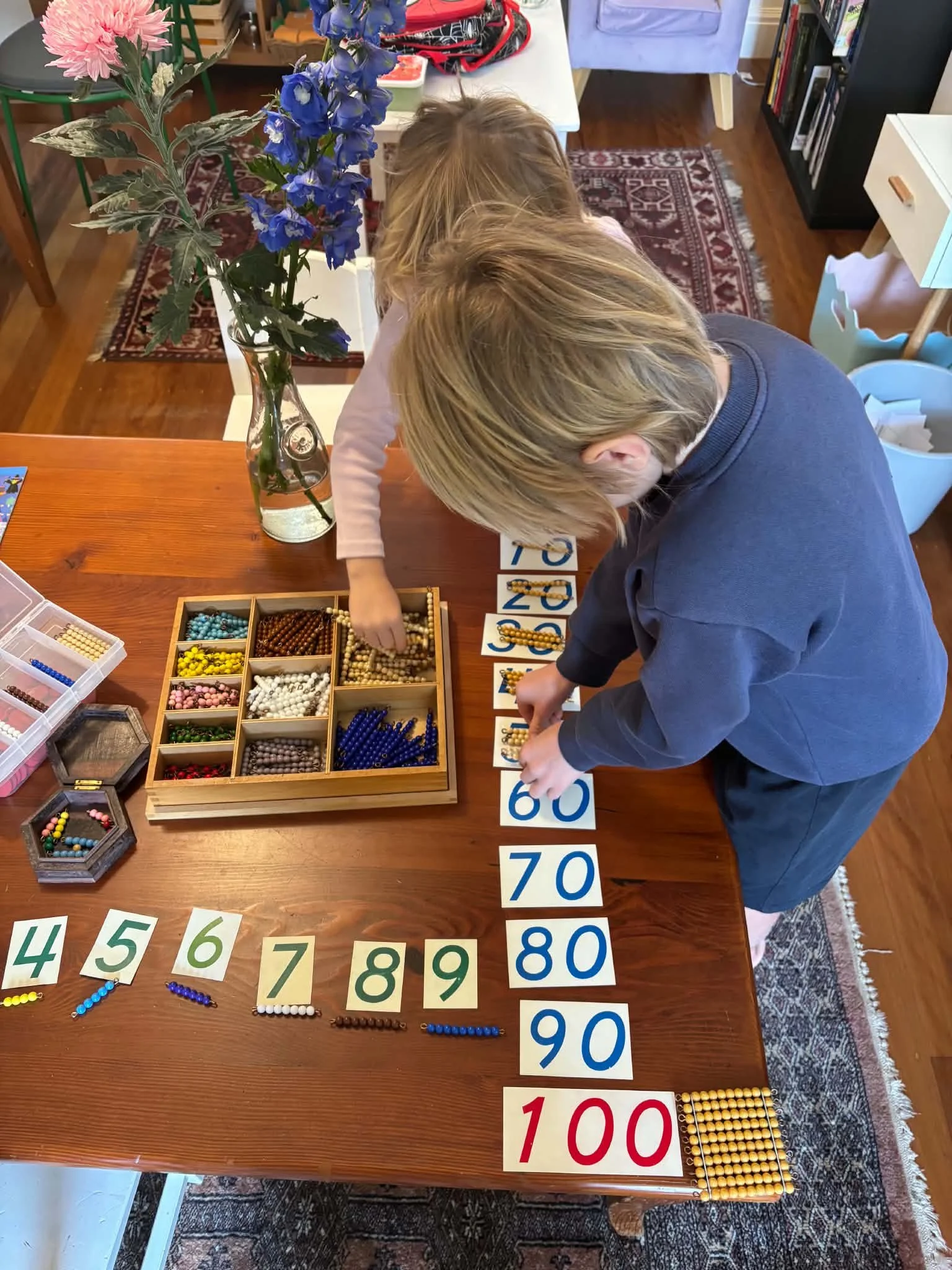
Our learning space has been carefully prepared and the children will come to look after it as their own. Children are offered Montessori materials, Waldorf and Montessori lessons, foundational academic work, storytelling, open-ended creative work and outdoor time. They will have opportunities for deep self-directed learning. Each child is supported to work at their own pace, and will be extended according to their readiness.
Days will follow with a predictable rhythm. We begin with a quiet arrival, followed by a work cycle, a shared snack and unstructured play time at the playground, and time for deep project and creative work. We end with a circle, storytelling and handwork.
Lately we have been;
growing tadpoles and hatching butterflies
looking at the fundamental needs of humans and the way they have build their homes and used plants for food across time. We worked on food project and made scones when we learned about the cultivation and stone grinding of wheat
learning about botany (functions of leaves, roots)
evolution of life, animal senses and defence
paper making
Learning Village
“Education is not preparation for life; education is life itself.” ― John Dewey
-
Monday & Wednesday, 9am - 1pm, in a beautiful prepared environment in Kurraba Point with access to a safe outdoors space, and across the road from a local park and playground.
-
6 - 9 year old children in a small group of maximum 8 children, where the children work together in a joyful and industrious way, within an atmosphere of care and authentic connection.
-
I take as my ethical responsibility the growth of the children in knowledge, social intelligence, creativity, awareness and independence through purposeful, collaborative and creative activity in service to each other, the wider community and themselves.
The foundation of our learning community is a sound philosophy based on principles which have been thought through and will continue to be over time, and in accordance with a curriculum which is rich and deep.
I believe in the importance of academics, just as much that of the arts, social and emotional skills, collaboration, a love of nature and problem solving.
-
I send a weekly update to you about your child’s progress and the learning we’ve been doing. These include both learning content and my observations. They also provide a way to continue to integrate our learning in deeper ways at home.
I am available for informal chats as well as monthly progress calls.
-
$120/day
Includes guidance, planning and learning, all materials, recording of your child’s activities mapped to curriculum outcomes, and weekly email updates regarding your child’s progress and all that we have been doing.
-
The children will be guided by me, with safe access to their wider community, natural world, and other inspiring humans.
-
This work is part of my belief in the power of global localisation, grounding ourselves and our children within small, trusting communities and taking the responsibility for such huge things as education into our own hands, rather than outsourcing them to systems we know very little about.
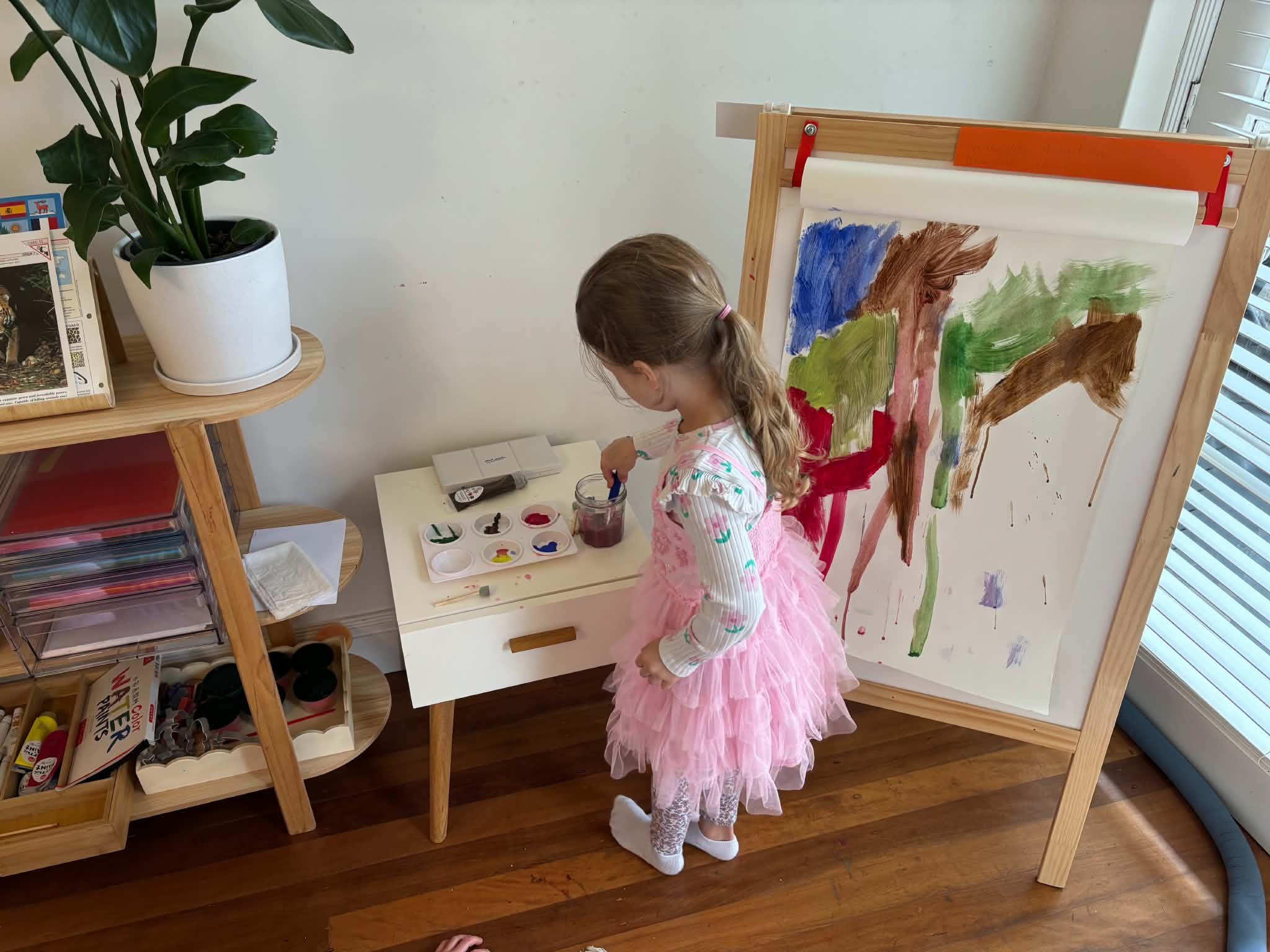
Learning is not separable from life itself, and learning is not the transmission of static bodies of knowledge to the passive and receptive child. There is a beautiful element of mystery in what the child will grow to become. This process is continually influenced by the child’s environment, the adults around them and the kind of activity they are engaged in. Real education should place the child in a safe and stable atmosphere of strong values, with curious and interesting adults, freedom and limits, and space to explore. It should allow them to act with ever increasing levels of independence, trust and complexity, in widening groups until the child is confidently able to take their place within society itself, possessing awareness of his/her gifts and a readiness to contribute them in service to humanity and the world.
Children need to be taken seriously, and guided with kindness, curiosity, and clarity.
I personally don’t believe that the physical institution of the ‘school’ needs to exist the way it does. But education is inextricable from maturing in our local and global society. And we are responsible for guiding this process for children.
Here are what I believe some of the purposes of real education for a child:
To develop foundational skills of reading, self expression through writing, mathematics and geometry which form the bedrock of the child’s ability to access the knowledge of their own culture, present and past.
To have their mind ‘furnished with beauty’ through being immersed in quality literature, poetry, storytelling, music, the arts, and bodies of knowledge in ways that are not didactic but experiential, such that their souls become intimate with the beauty of humanity and the legacy of the present culture.
To form and develop the deepest core of one’s personality: the will, the moral compass, emotional awareness and regulation, and the worldview.
To develop a spiritual or values framework which is bigger than the individual human and serves as a north star in journeying through life.
To practice ‘learning capabilities’ otherwise known as ‘soft skills’ which carry all of us through life. These skills are increasingly being called ‘hard skills’ as they are applicable in every domain in life and are far more enduring than any curriculum knowledge we could obtain. They are also much more difficult to develop later in life. These skills, no matter when we acquire them, are built up over time through repeated experience and through conscious work or guidance.
To incarnate skills of social intelligence through being part of a community and social group which functions as a healthy society should. It is made of individuals who are aware of their place in the group and look out for one another and are aware of what would be required to make the group function better.
To learn how to learn: the foundation for this is curiosity and an absolute and unwavering love of the world. The school must be conscious of the myriad ways it can encroach upon and kill curiosity. Curiosity is a delicate state of being, especially in a child. Upon this foundation is built knowledge of oneself which is developed through piquing of curiosity and the provision of both time and (just) sufficient support in sating that curiosity, and also through, embodied in the way lessons are given, the discovery of knowledge through one’s own actions and discoveries, rather than being given them by a teacher.
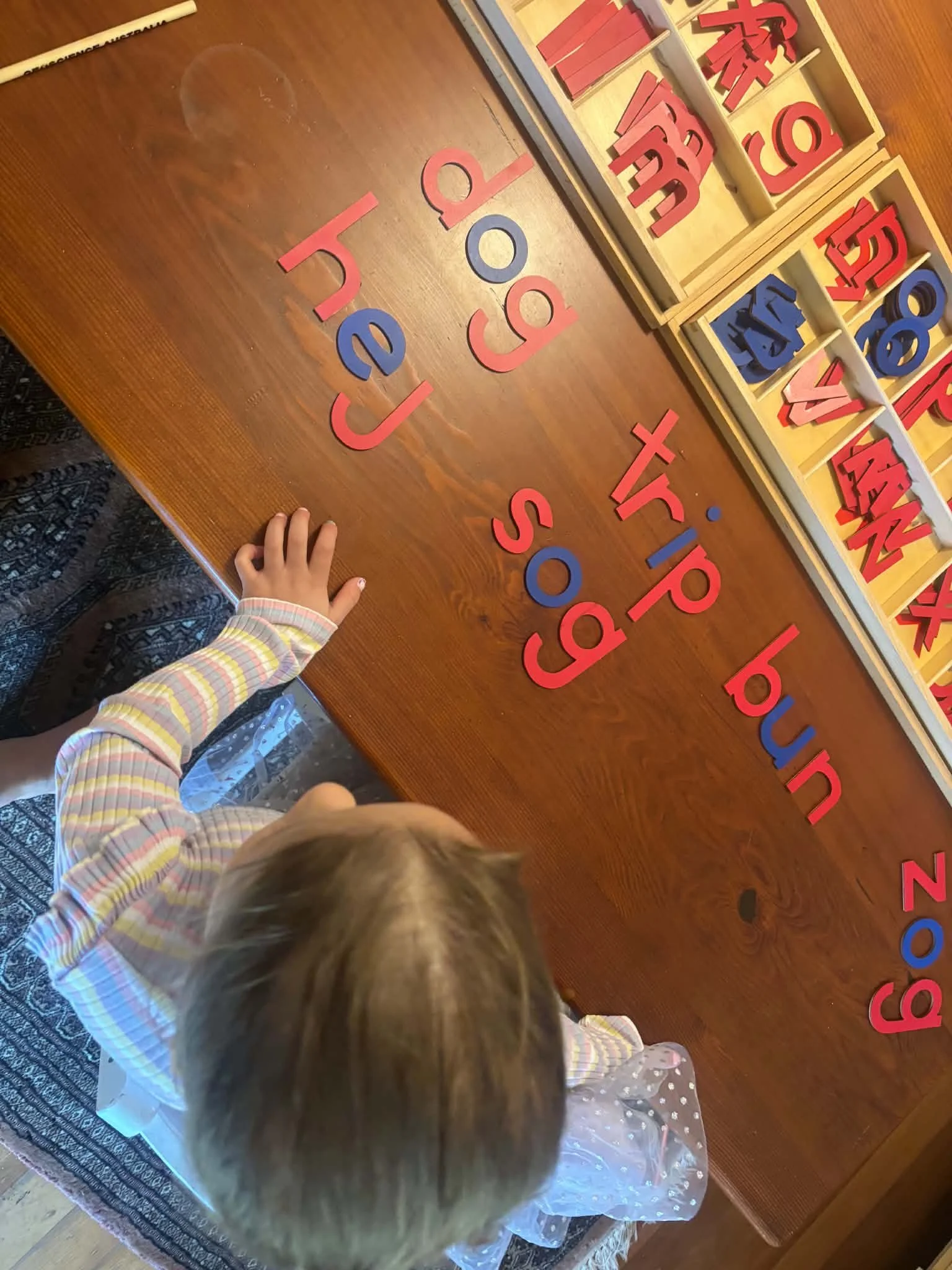
I would truly love to get to know your child, welcome them to our beautiful village, and become a part of your family’s learning ecosystem.